Best Methods for Waterproofing in Commercial Buildings
Among the most important factors of a commercial building in NYC that must be properly taken care of in order to ensure the structural integrity of the building is waterproofing. In the absence of adequate waterproofing, the water may creep into the foundation, the walls or even the roof and cause severe destruction in the long run. The dampness and leaks do not only impact the safety of the building but can also cause expensive repairs as well as the business operations.
Why Waterproofing is Essential for Commercial Buildings
Business premises are subject to the different weather patterns such as excessive rain, snow and humidity. Water may seep into joints, cracks and porous surfaces over time leading to structural weakening and development of molds. Waterproofing will help to prevent the infiltration of water into the building envelope and will safeguard the property, equipment and occupants.
Waterproofing is a better thing to invest in than to damage the building and its service life would be enhanced. A well-waterproofed commercial building not only saves on maintenance costs, it also does not interrupt the business operations and improves the value of the property. This renders it a very imperative procedure during construction and renovation processes.
Common Waterproofing Challenges in Commercial Buildings
It is necessary to have an insight into the challenges commercial buildings are exposed to before adopting a waterproofing technique. Big structures tend to make use of flat roof, subterranean, and basements, which are so vulnerable to water damage. Potential entry points of water are structural joints, expansion gaps, cracks.
Moreover, business premises can be used by numerous people, equipment, and storage zones, which need long-lasting waterproofing options. The expanse of the waterproofing materials can also be influenced by temperature variations and UV impact. The knowledge of these issues assists in choosing the best way of waterproofing that suits the particular requirements of the building.
Top Waterproofing Methods for Commercial Buildings
Commercial buildings can be waterproofed in a number of ways. Both methods have their merits with respect to the structure, budget and environmental factors.
Waterproofing Membrane -Liquid.
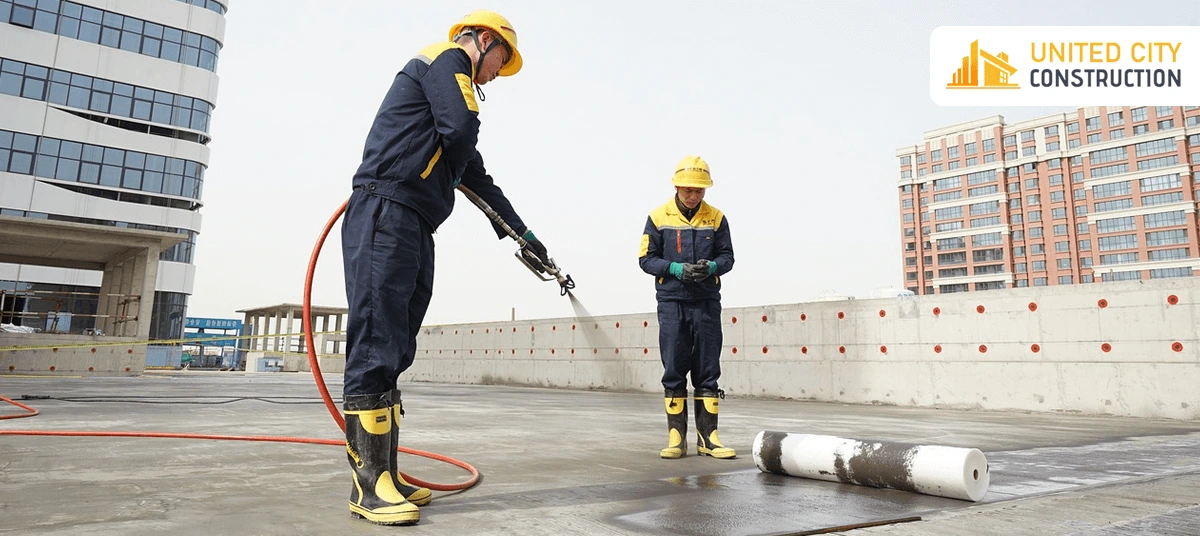
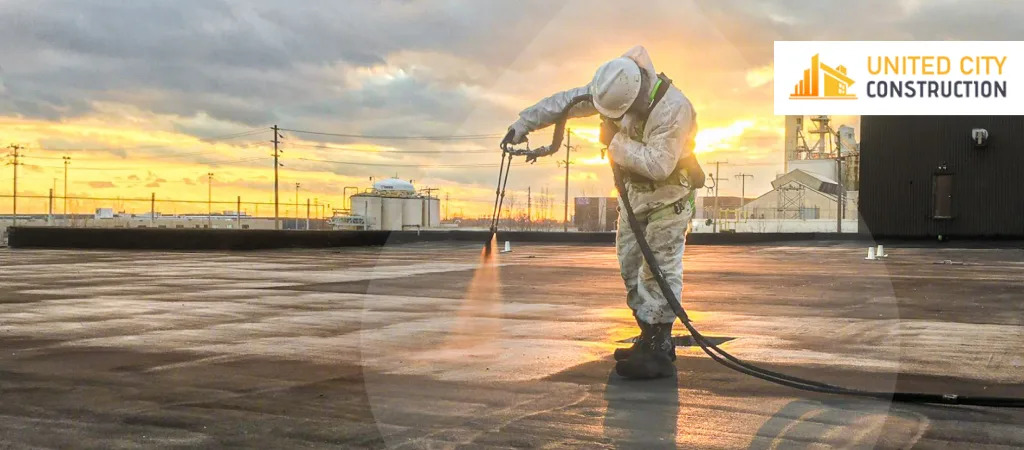
The most common is liquid waterproofing membrane that is used in commercial buildings because of its flexibility and ease of application. This process requires a liquid substance that is applied directly to the surface and it creates a smooth, strong and waterproof layer when it is dry.
Liquid membranes apply well in roofs, terraces and in places having complicated shapes. They are able to resist the structural movement and are therefore applicable to buildings which have slight vibrations or settling. This kind of waterproofing is also UV resistant and weatherproof, and is therefore long-lasting.
Cementitious Waterproofing
One of the most cost effective and the easiest methods is cementitious waterproofing. It entails the use of a blend of cement based products which produces water resistant coating on concrete surfaces.
This technique works quite well with basements, water tanks and bathrooms with commercial premises. Cementitious waterproofing is simple to put and maintain. It can as well be bonded with other construction materials and this translates to a good bond with the structure of the building.
Bituminous Waterproofing
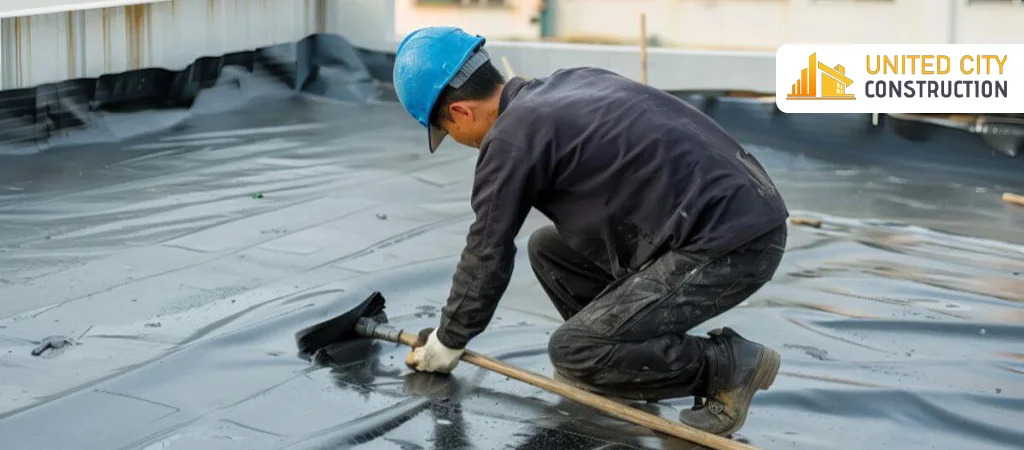
Asphalt-based waterproofing or Bituminous waterproofing is popularly applied to flat roofs and underground structures. In this technique, waterproofing contractors applied bitumen sheets or liquid coatings to form a powerful obstacle against penetration of water.
Bituminous waterproofing is very tough and it withstands UV rays hence can be used in open areas. It is also elastic such that it does not crack when there are slight movements of the building. The technique is to be applied by professionals, in order to achieve uniform waterproofing.
Polyurethane Waterproofing
One of the new techniques is polyurethane waterproofing that is very effective in preventing the penetration of water. It is a method of using liquid polyurethane that allows creating a smooth, elastic layer on the surface.
This technique is best used in roofs, terraces, and regions that have the tendency of ponding water. Polyurethane finishes are very strong and do not deteriorate easily due to changes in weather or chemical aspects, or mechanical damages. Polyurethane waterproofing is expensive in that it is a little higher priced as opposed to the traditional methods, yet its performance is long term and the maintenance is minimal.
Sheet Membrane Waterproofing
Through sheet membrane waterproofing, waterproofing is consistently guaranteed, avoiding any potential damage caused by water leaks that could occur in the future. Waterproofing of sheet membranes entails the use of ready-made sheets of bitumen or synthetic material to cover surfaces to block the entry of water. These sheets are bonded to the substrate either by heat or with adhesive or by mechanical fasteners.
The method is mostly applied in basements, podiums, and roof areas. Waterproofing on sheet membranes is uniform in its thickness and it is dependable. It is especially useful in the large commercial buildings where it is important to have the same coverage.
Factors to Consider When Choosing a Waterproofing Method
The choice of an appropriate waterproofing technique of an office building is contingent on a number of factors.
Surface Type and Structural Requirements
The first one is the nature of the surface to be secured. The roofs, basements, terraces can have various solutions depending on the exposure and load-bearing needs.
Climate and Weather Considerations
Of importance too is the climate and weather conditions in the area. It is possible that the buildings in the localities that receive heavy rainfall or extreme fluctuations in temperatures require more flexible and robust waterproofing materials.
Budget and Cost Factors
Budget is another key factor. Some cements such as cementitious waterproofing cost less whereas others such as polyurethane or liquid membranes can cost more but give long term benefits such as saving expenditure on maintenance.
Maintenance Needs and Lifespan Expectations
Finally, the projected maintenance and the lifespan of the item should be taken into consideration. The waterproofing techniques to be used can be subject to periodic check-ups and re-application, whereas others can last decades and require few upkeep.
Professional Waterproofing vs DIY Methods
The most effective waterproofing techniques have to be maintained and inspected on a regular basis. Frequent inspections are also used to detect cracks, leakages or wear and tear before they result in significant issues. Gutter, drain, and waterproofed cleansing also guarantee adequate flow of water, and avoid ponding.
The maintenance schedules must depend on the nature of the waterproofing in place. In some cases, liquid membranes, polyurethane coatings may require inspections after every few years, whereas sheet membranes and cementitious methods may be inspected not as often. Timely repairs and early detection go a long way to increase the life of the waterproofing system.
Conclusion
Waterproofing is a critical element of the building and maintenance of the commercial buildings. Waterproofing helps in preventing damages to water, structural damages and the security of the occupants. The selection of appropriate options is based on the type of building, surface, climatic factors, and cost. Such common techniques as liquid waterproofing membrane, cementitious waterproofing,bituminous solutions, polyurethane coating and sheet membrane are reliable in protecting when properly used. Durability is also increased by professional use and routine repairs so that commercial buildings can be safe and functional over the years.
High-quality waterproofing is not merely a way of avoiding leakage, but it is a sustainable approach to maintenance of property value and sparing unnecessary expenses of fixing damages. With the knowledge of the most effective waterproofing techniques and proper application, the owners of the building can guarantee the effective protection of their investment and also, the success of their business ventures.
Ready to protect your commercial building from water damage, Get expert waterproofing services from certified NYC professionals today. Whether you need roof waterproofing, basement protection, or a full building assessment, our team is here to provide durable, long-lasting solutions tailored to your needs. Contact us at United Construction to schedule your consultation and get a free estimate to make your building safer, stronger, and completely watertight.